How to Build a Psychology-Driven Sales Funnel for Digital Courses
Why do 80% of course funnels fail? Learn the 5 psychological triggers that turn "pretty" pages into $47K sales machines. Fix your conversion rate today!
Sondos Ammdadl
3/3/20264 min read

Why Most Digital Course Funnels Fail (And the Psychology Behind $47K Launches)
Most digital course funnels fail because they are built on "pretty" designs rather than consumer psychology. To convert a stranger into a student, you must move beyond aesthetics and align your sales process with human behavior, specifically using triggers like Authority, Social Proof, and Loss Aversion. Studies show that focusing on psychology over design can increase conversion rates by 2–5x, even for creators with small audiences.
Why is my digital course funnel not converting?
The most common reason a course funnel fails to generate revenue is a lack of psychological alignment. Many creators build "The Bridge to Nowhere," a beautiful sales page that doesn't address the deep-seated fears or desires of the buyer. If your funnel isn't converting, it usually means you haven't established enough Authority or provided enough Social Proof to overcome the "buying friction."
What are the 5 core psychological triggers for sales funnels?
Every high-converting funnel appeals to human instincts. These triggers drive decision-making:
1. Authority
People buy from experts they trust.
Show credentials, results, and case studies.
Example: “As a strategist who helped 50+ creators launch six-figure courses…”
2. Social Proof
We follow the crowd.
Use testimonials, beta tester wins, or user-generated content.
Example: “Sarah earned $3,200 in 10 days using this system.”
3. Scarcity & Urgency
Limited availability triggers action.
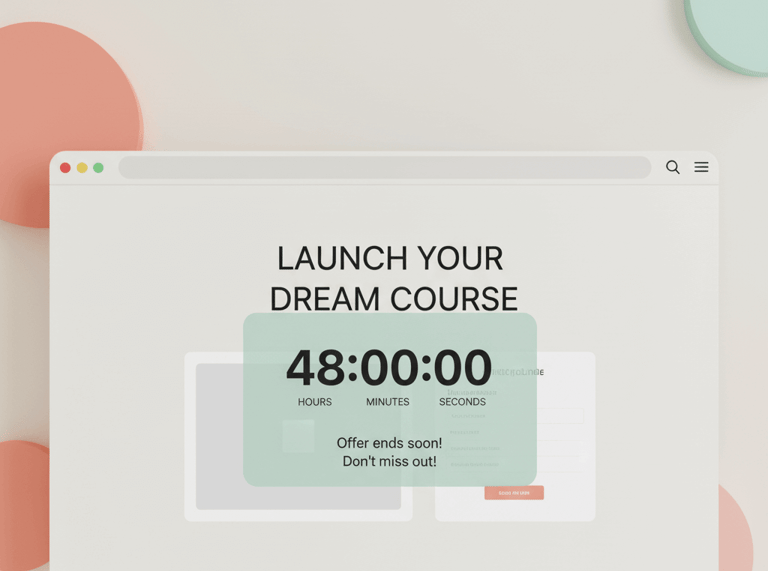
Example: “Enrollment closes in 48 hours” or “Only 20 spots available.”
4. Reciprocity
Give value first, then pitch.
Free resources, mini-courses, or checklists increase trust and response.
5. Loss Aversion
People fear missing out more than they desire to gain.
Example: “Don’t miss your chance to monetize your expertise this month.”
How do you build a psychology-driven funnel for digital courses?
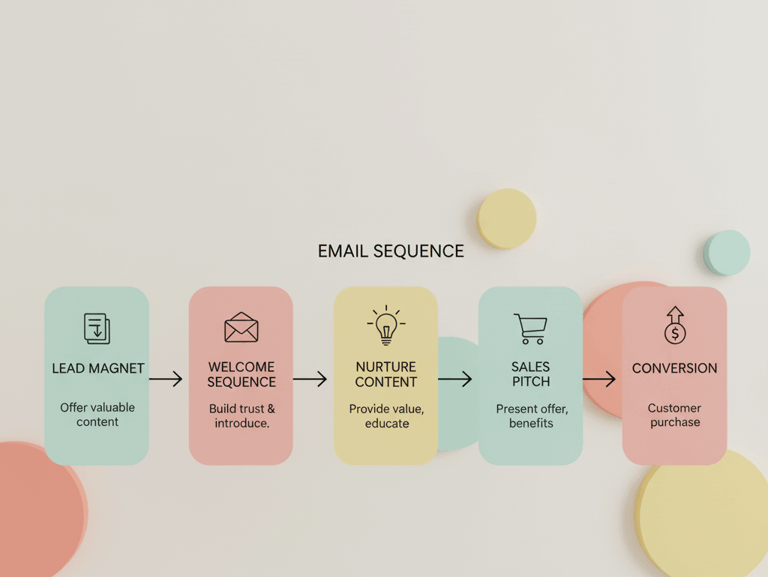
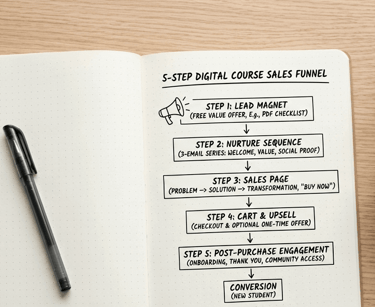
A successful funnel isn't a single page; it's a 5-step sequence. Here is the "Ugly" $47K Blueprint structure:
Here’s a practical funnel structure for digital courses:
Step 1: Lead Magnet / Awareness
Offer a free, valuable resource (ebook, checklist, or mini-course).
Target the audience’s specific pain points.
Example:
"Free: The Ultimate Course Launch Checklist Stop guessing what your students want!"
Step 2: Nurture / Email Sequence
Send value-packed emails positioning yourself as the expert.
Include tips, templates, and case studies.
Example 5 email sequence:
Welcome + lead magnet delivery
Case study or success story
Problem-solving tips
Objection handling
Soft pitch to enroll
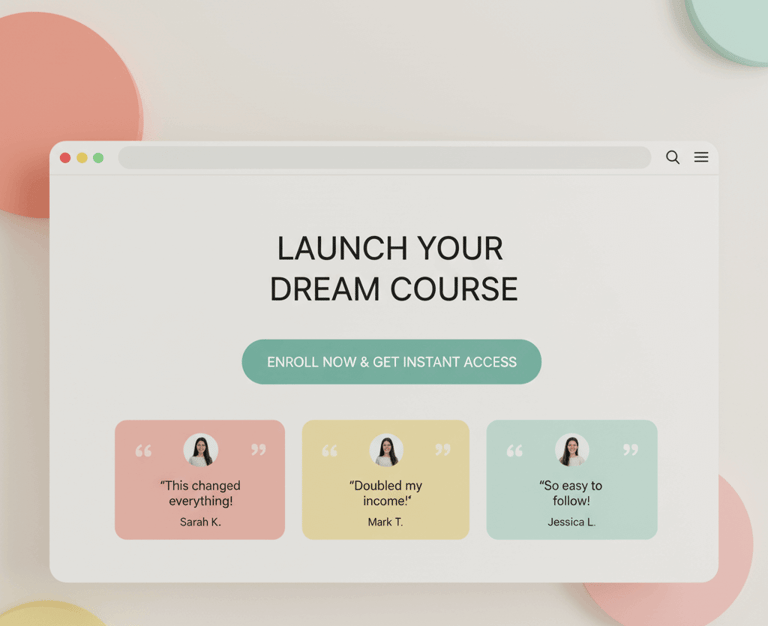
Step 3: Conversion / Sales Page
Use benefit-driven headlines.
Present problem → solution → transformation.
Include social proof and a risk reversal (guarantee).
Turn Your Expertise Into a Profitable Course in 30 Days, Even With Less Than 1,000 Subscribers
Stop wasting money on "pretty" designs. If you want to see the exact psychology-driven structure that makes this headline work, our "Ugly" $47K Blueprint is the answer. It outperformed $5,000 agency designs by 24x.
See the "Ugly" Framework & Sales Templates"
Headline Example:
"Turn Your Expertise Into a Profitable Course in 30 Days Even With Less Than 1,000 Subscribers"
Step 4: Scarcity & Follow-Up
Limited-time offer emails.
Personalized reminders for abandoned checkouts.
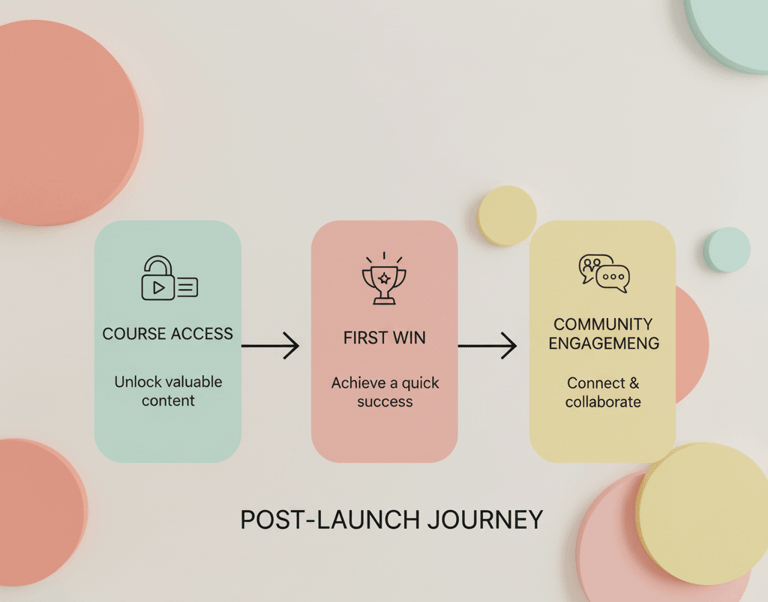
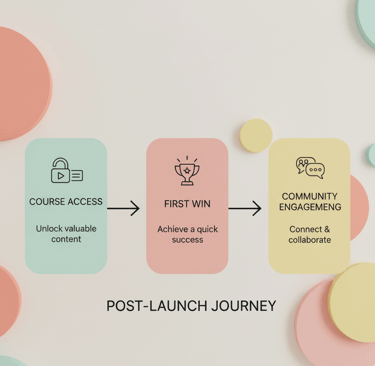
Step 5: Post-Purchase Engagement
Ensure student success.
Encourage community participation.
Upsell related courses.
Case Study: $7,400 in Sales with Only 1,200 Subscribers
One creator implemented this funnel:
Lead Magnet: Mini Video Monetization Guide
Sales Page: Benefit-driven copy + testimonials
Scarcity: 48-hour closing + limited spots
Result: $7,400 in course sales in 10 days with just 1,200 email subscribers.
Get the $47,000 Landing Page Blueprint
Ready to stop guessing and start scaling? Download the exact "Ugly" framework that outperformed $5,000 agency designs by 24x.
Psychology-Driven Templates
Proven $47K Sales Structure
Instant Digital Access
People Also Ask | Frequently Asked Questions (FAQ)
Why is my course landing page getting clicks but no sales?
This usually indicates a Trust Gap. Your visitor is interested (they clicked), but your page didn't provide enough Authority or Risk Reversal (like a guarantee) to make them feel safe enough to buy.
How do I sell a course to a tiny email list?
Focus on Hyper-Specificity. A small list will convert at a much higher rate (5–10%) if your course solves a very specific "Stage 1" problem that a larger influencer is too broad to address.
What is the best lead magnet for digital courses?
The highest-converting lead magnets are Checklists, Blueprints, or Mini-Video series. These offer "Instant Gratification," which builds immediate Reciprocity.
Do I need a huge audience for this funnel?
No, even small email lists convert well if the funnel taps into psychology.
How many emails should I send in the nurture sequence?
3–5 emails over 7–10 days works best.
What lead magnet converts best?
Mini-courses, templates, or actionable checklists targeting a specific problem.
Turn Viewers into Paying Students
A psychology-driven funnel turns viewers into paying students, even with small audiences.
✅ Key Takeaways:
Build authority & trust
Use social proof and scarcity
Provide value first
Test and iterate continuously
Remember:
Followers are the crowd. Students are the community. Your funnel is the bridge.
About the Author
Sondos Ammdadl is a digital creator strategist at Amados Strategies, helping YouTubers and influencers grow meaningful audiences through storytelling, consistency, and email marketing.
Follow her for more tips on audience growth and creator branding.
Follow Amados Strategies on YouTube and TikTok for real creator case studies, SEO tutorials, and weekly growth tips.